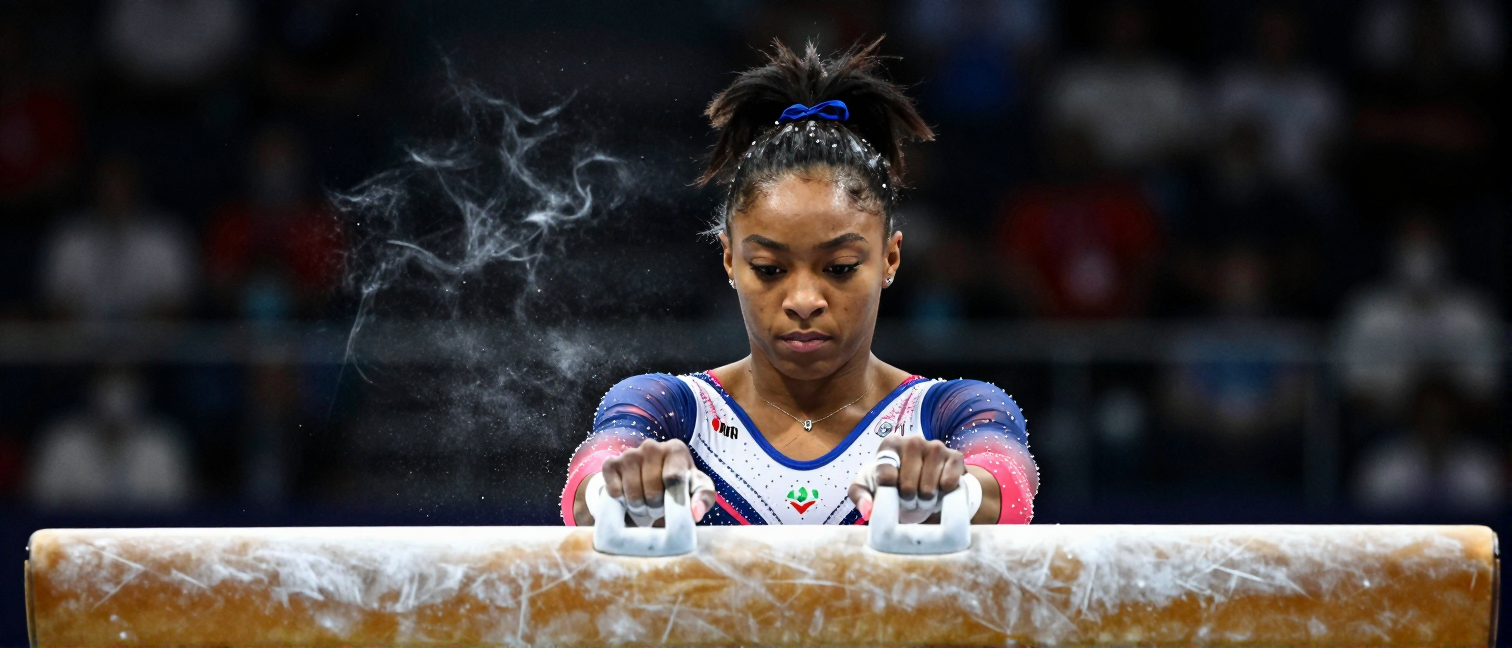
Simone Biles drew a firm line on 7 July 2026 when she publicly called out a fan who questioned Taylor Swift’s upcoming wedding attendance, insisting that personal speculation crosses a respectful boundary.
What sparked Biles’ response?
A fan posted on Instagram, asking why Taylor Swift would attend a wedding that seemingly conflicted with her tour schedule. The comment tagged Biles, who had previously praised Swift’s music. Biles replied, “Everyone’s life is private. Stop assuming.” Her brief but pointed reply quickly went viral, highlighting how athletes and entertainers guard their personal lives.
Why does this matter for Simone Biles?
Biles, a four‑time Olympic gold‑medalist, is no stranger to media scrutiny. In recent years she’s spoken out about mental‑health pressures and the need for athletes to control their narratives. By defending Swift’s privacy, Biles reinforced her own stance that public figures deserve boundaries, echoing her earlier advocacy after the 2024 World Championships.
How did fans react?
Support flooded Biles’ Instagram, with many applauding her “no‑tolerance” approach to invasive speculation. Others argued the fan was merely curious, but the consensus leaned toward respecting personal space. The exchange sparked a broader conversation about how fans engage with celebrities on platforms like TikTok and X.
What’s next for Biles and Swift?
Both women remain focused on their careers. Biles is slated to compete at the upcoming U.S. Classic on 15 August, while Swift is expected to release a new single in September. Their mutual respect suggests future collaborations could stay strictly professional, avoiding personal gossip.
How does this reflect broader trends?
The incident underscores a growing trend: athletes using their platforms to set etiquette standards for fan interaction. Biles’ decisive reply adds to a list of high‑profile athletes— from Naomi Osaka to LeBron James—who have publicly drawn lines on social media conduct.
What can fans learn?
The takeaway is simple: curiosity should not become entitlement. When a fan’s question veers into personal territory, even well‑intentioned, it can trigger a defensive response. Biles’ example shows that setting clear limits protects both the asker and the subject.
Final note
While the debate over Swift’s wedding plans may fade, Biles’ stance on privacy will likely linger in discussions about athlete‑fan boundaries. Her concise rebuttal serves as a reminder that respect, not speculation, should guide public discourse.